Shards of Order Demo Feedback and Launch Reworks
Fracture math, redraw timer 4, combat queue, roster cuts, and joint skill tree ahead of July 28.
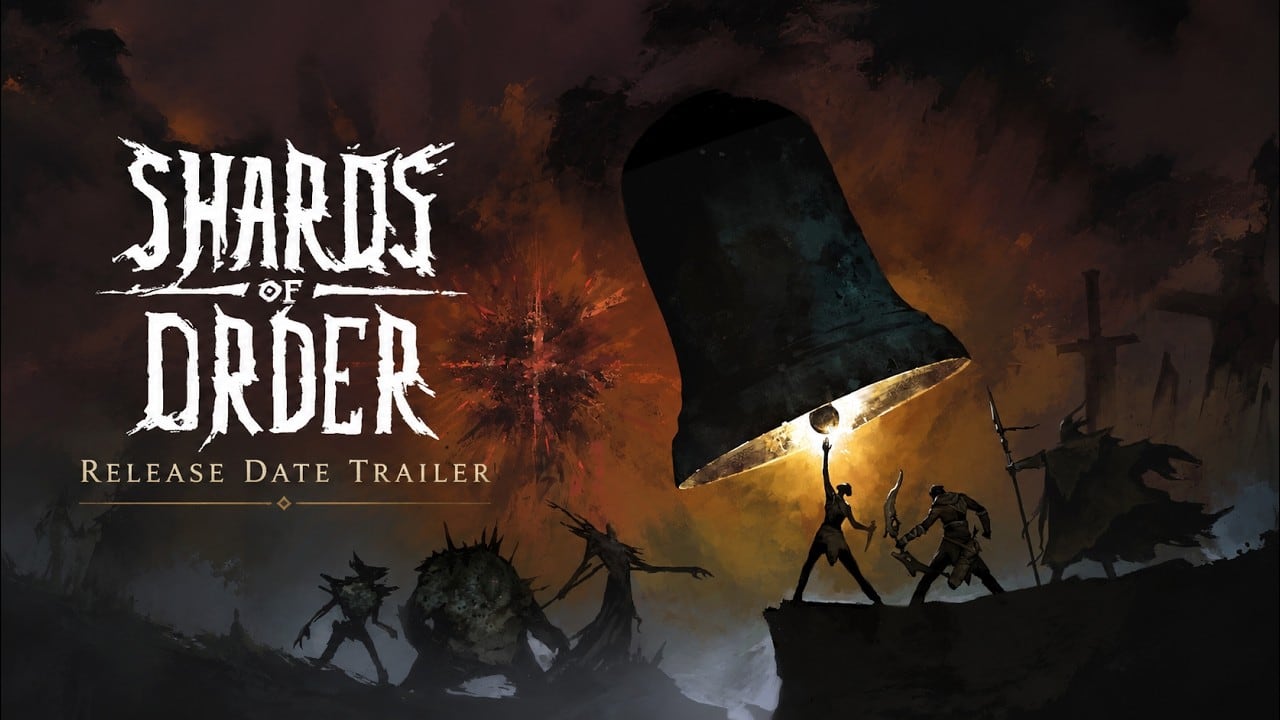
Player feedback from the Shards of Order Steam demo and pre-launch previews drove substantial systemic changes before July 28, 2026 at 6 PM CET. Fardust and Awaken Realms iterated on recovery rules, fight pacing, roster scope, and how Soldier, Scholar, and Exile behave as the permanent party of three sharing one deck in time-counter combat. This page summarizes launch-confirmed mechanics — Fracture stack math, redraw timer 4, combat queue sequencing, roster cuts, and the joint skill tree — and links to wiki guides written for the new rules.
If you have not played since early demo builds, re-read Combat System, Redraw and Queue, and Laws and Fracture before judging difficulty. Day-one checklist: Launch Day.
Why demo feedback mattered
Shards of Order is not a roguelite. Progression persists across three full regions, which means recovery systems define long-term difficulty more than single-fight RNG. Demo players and preview coverage highlighted four pain points Awaken Realms addressed:
- Revival felt cheap until attrition and redraw pressure compounded late.
- Redraw loops favored cheap-card spam under demo rules unlike launch time-linked reduction.
- Combat pacing stop-and-started between animations, hiding optimal sequencing.
- Five-hero scope diluted shared-deck teaching; launch locks a clearer trio with a unified skill tree UI.
Post-feedback changes target those areas without replacing the core fantasy: dark fantasy card RPG with Soldier rage, Scholar mana from ally damage, and Exile arrows.
Fracture system — confirmed launch numbers
Fracture attaches to revival and redraw tension with exact scaling from Steam community notes, Turn Based Lovers, and Games Press coverage:
- Revive adds 1 Fracture stack each time you restore a fallen hero.
- Each stack makes every redraw deal 6 damage to each of the three party members.
- Maximum 3 stacks = 18 damage per hero on every redraw.
- Visual intensity ramps with stack count so players see risk before cycling the deck.
- Unused revive cards clog the shared deck — dead draws that amplify bad redraw odds under Fracture.
Design intent: defeats stay meaningful without roguelite wipes. You keep campaign progress across Regions, but sloppy recovery and deck bloat compound.
Gameplay implications:
- Soldier barriers and Scholar protection rise in value on Equipment tier list.
- Exile players should avoid gambit lines that force revives (Exile).
- Decks need stable guard and mana bands — validate with Deck Calculator.
Deep rules: Laws and Fracture. Redraw pairing: Redraw and Queue.
Redraw economy rework
Launch replaces demo redraw habits with a timer starting at 4. Reduction ties to time that actually passes:
- A cost-3 card reduces the redraw timer by 3 because three time units elapsed.
- Movement costs 1 time and also reduces redraw by 1.
Demo veterans who spammed cheap cards under older rules must relearn pacing. Fracture damage on redraw makes timer management a survival skill, not a convenience. Full guide: Redraw and Queue.
Combat queue at launch
Launch combat queue lets you prepare card sequences before animations finish, producing faster flow than demo stop-and-start. You line up the next segment while earlier actions resolve — critical for Scholar mana timing and Exile finishers that must fire after setup.
Queue mastery still beats UI assists:
- Read enemy countdowns before committing queued spenders.
- Avoid redundant guards expiring on the same tick.
- Coordinate burst windows across the shared deck per Builds.
Combat fundamentals: Combat System demo vs launch subsection.
Roster cut: three permanent heroes
Launch permanent playable party is Soldier, Scholar, and Exile only — cut from five planned heroes.
Warlock and Bladedancer remain in story content and may be controllable in limited opportunities, but they do not occupy permanent party slots. Plan shared-deck math and Tier List rankings around the trio.
Joint skill tree UI
Launch introduces a joint skill tree that displays all three heroes’ upgrade options together. You see Soldier, Scholar, and Exile paths in one interface instead of siloed menus — reinforcing that progression is party-wide even though roles differ.
Pair skill choices with Deckbuilding band targets and hero profiles on Characters.
World scale beyond demo
Full release adds three unique regions, handcrafted bosses, and law restoration across a persistent map — contrast with the demo’s single dungeon (~forty-five minutes, nine encounters). Exploration overview: Regions.
What did not change
Core identity remains:
- Persistent progression across campaign chapters
- Three-hero permanent party with shared library
- Time-counter combat rather than pure turn-based I-go-you-go
- Scholar three mana on ally damage loop
- Soldier rage and Exile arrow fantasies
- Gods mischief and law restoration themes
Expect balance numbers to tune post-launch, not fundamental reinvention.
How to re-test before launch
- Download or update via Steam demo page for Shards of Order
- Run a fresh save to experience latest tutorial beats
- Note Fracture stacks after intentional revives — expect 6 damage per hero per stack on redraw
- Practice timer-4 redraw assumptions instead of cheap-card spam
- Rebuild decks using Deck Calculator band targets
- Read Launch Day for July 28 unlock timing
Official announcements: Shards of Order official site and Updates hub.
Impact on tier lists and tools
Fracture shifts defensive tools up; redraw rework shifts curve planning; queue clarity shifts skill expression without changing S-tier patterns — guards, mana setup, mark/finisher pairs still dominate Tier List hub. Calculator defaults on Deck Calculator reflect post-Fracture stabilization targets.
Track launch-day adjustments on Release Date and Launch Day.
Related pages
- Launch Day — July 28, 2026 checklist
- Redraw and Queue — timer and queue deep dive
- Laws and Fracture — stack math and deck clogging
- Regions — three regions and exploration
- Combat System — demo vs launch summary
- Getting Started — refreshed onboarding
Frequently Asked Questions
Quick answers to the most common questions.
What is Fracture in Shards of Order at launch?
Each revive adds 1 stack. Every stack makes redraws deal 6 damage to each hero, up to 18 at 3 stacks. Unused revive cards can clog the deck.
What is the launch redraw timer?
The redraw timer starts at 4. Card costs and movement reduce it by the time actually spent — a cost-3 card reduces it by 3.
Did the combat queue change for launch?
Yes. You can queue sequences before animations finish for faster pacing than the demo stop-and-start flow.
Which heroes are playable at launch?
Soldier, Scholar, and Exile are the permanent party. Warlock and Bladedancer appear in story but not as permanent roster slots.
What is the joint skill tree?
Launch UI shows all three heroes skill options together in one tree, reflecting party-wide progression.
Do I need to replay the demo before launch?
Recommended if you last played before Fracture, redraw, and queue updates — launch rules differ from early demo builds.