Shards of Order Ethereal Power Explained
The premium recovery option — full revive, party heal, and a random tarot card when Revive spam would stack Fracture.
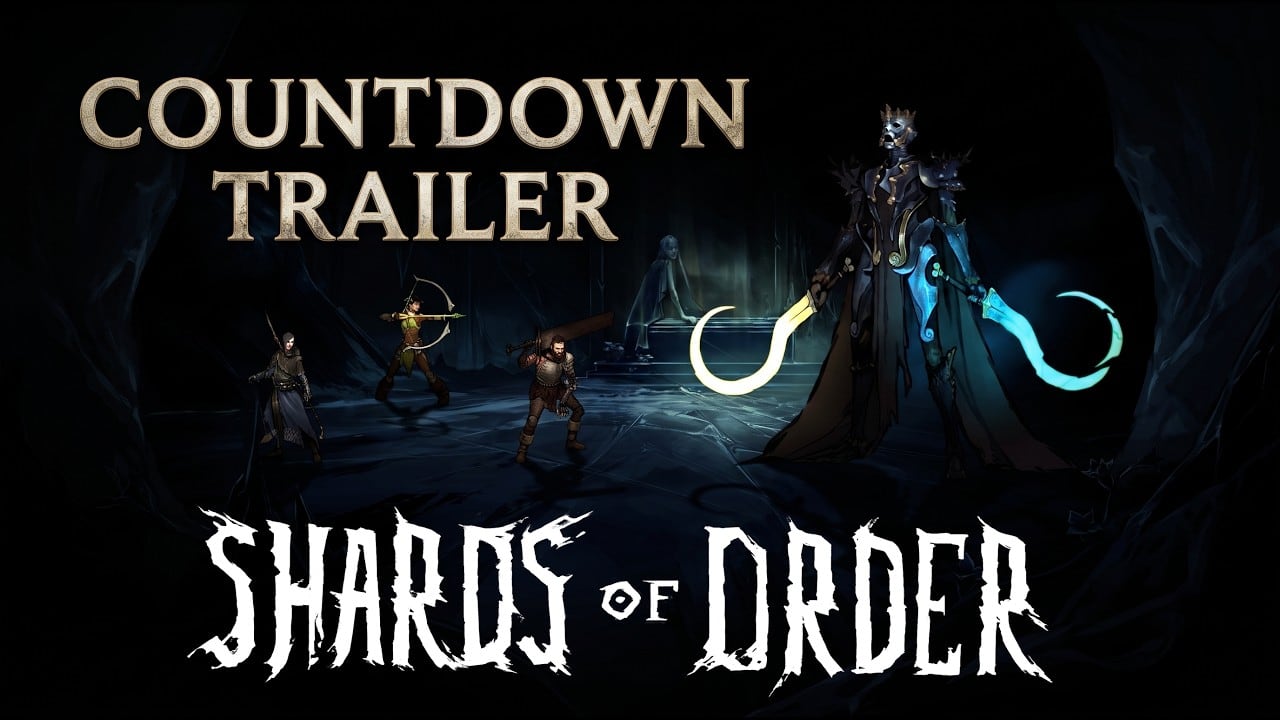
Ethereal Power is one of the most important recovery tools in Shards of Order combat — yet many players overlook it while spamming Revive cards and accidentally stacking Fracture penalties. This guide explains how Ethereal Power works, how it compares to standard revives, and when each option wins under launch rules documented in Laws and Fracture and Combat System.
If you are new to knockouts entirely, read the crippled-state section in Combat System first, then return here before Purged Village elites or Morgain where revive taxes spike.
What happens when a hero falls
When a party member is knocked out, they leave active combat temporarily. Their character-specific cards in hand convert into Revive cards that cost 1 time each to play. Playing a Revive card brings the hero back with roughly half of their maximum health — enough to rejoin the fight, but rarely enough to survive the next telegraphed hit without setup.
If multiple heroes fall, you must play multiple Revive cards — one per fallen hero — which spends time, advances enemy countdowns, and at launch adds one Fracture stack per revive through the broader revival system tied to Laws and Fracture.
What Ethereal Power does differently
Using Ethereal Power is the less punishing premium recovery option:
- Full revive — the fallen hero returns at full health, not half.
- Party heal — all other living heroes receive healing, stabilizing the entire line.
- Random Ethereal card — you immediately receive a playable Ethereal Power card such as Death, Wheel of Fortune, or Judgement with unique effects you can deploy in the same fight.
These tarot-style cards can swing tempo dramatically — the opening Shrike sequence even teaches Judgement, The Devil, and Wheel of Fortune as narrative beats before your first real encounter.
Ethereal Power is limited by availability — you cannot spam it every knockout the way Revive cards flood your hand after multi-hero collapses. Treat charges as boss-phase insurance.
Revive cards versus Ethereal Power
| Factor | Revive cards | Ethereal Power |
|---|---|---|
| Health restored | ~50% max HP | 100% max HP |
| Other heroes | No heal | Party heal |
| Bonus effect | None | Random tarot card |
| Hand clog risk | High when multiple heroes fall | Does not convert your hand |
| Fracture interaction | Each revive adds 1 stack | Prefer when stacks would hurt redraws |
| Time cost | 1 time per Revive card played | Uses Ethereal charge (not a standard card cost) |
At launch, each Fracture stack makes every redraw deal 6 damage per hero (max 18 at three stacks). Revive-heavy fights therefore tax future hand cycles — Ethereal Power clears crises without feeding that snowball as aggressively.
When to use Ethereal Power
Boss phase transitions — two heroes crippled while the boss accelerates countdowns. Full revive plus party heal buys a clean queue sequence on Redraw and Queue.
Before Morgain or regional gatekeepers — see Purged Village Walkthrough and Boss Guide. Entering capstone fights with one half-health hero is a common wipe vector.
When Revive cards would clog the shared deck — unused Revive cards persist in the shared pile and displace damage or control tools. Ethereal Power avoids hand pollution.
When Fracture stacks are at 2+ — another revive into a redraw at three stacks deals 18 damage per hero. Ethereal Power is often the lower-total-cost recovery.
When Revive cards are still correct
Single early knockout on trash — spending Ethereal Power on a minor elite wastes a charge you need for Boss Guide encounters.
One hero down, fight nearly won — a single 1-time Revive finishes the encounter cheaply.
Ethereal Power on cooldown or depleted — Revive cards are always available after knockouts; use them with countdown stabilization first.
Demo practice runs — learning Revive timing still matters because demo habits carry into launch unless you read Demo Changes.
Tarot cards you may receive
Ethereal Power grants random tarot-style cards. Known examples from early campaign content include:
- Judgement — high-impact burst or execute-style pressure depending on build.
- Wheel of Fortune — tempo swing with variable outcomes; queue after defensive setup.
- Death — often finisher-weight; hold until countdowns are stable.
- The Devil — introduced in tutorial narrative; treat as powerful but situational.
Exact numbers change with patches — verify in-game and report shifts on Updates if balance adjusts.
Synergy with party composition
Scholar parties benefit from Ethereal Power party heals because ally-damage mana generation requires living heroes generating and taking hits.
Soldier parties can Revive cheaply when only the frontline falls, but Ethereal Power fixes backline collapses after bad swaps.
Exile parties should save Ethereal Power for fights where arrow finishers need a full-health anchor target — half-health revives often fail to survive long enough to spend arrows.
Cross-check gear that adds defensive injections on Items and Cards before relying solely on recovery tools.
Common mistakes
Revive spam into Fracture three — then redraw and wipe the party. Read Laws and Fracture math before cycling hands.
Hoarding Ethereal Power until total party wipe — sometimes one timely heal prevents the second knockout entirely.
Ignoring tarot card time costs — queued Ethereal rewards still participate in countdown pressure when played.
Skipping position swaps after full revive — 100% HP does not help if the hero stands in the telegraphed lane. Movement costs one time per Controls.
Practice workflow
- Fight Shrike in Demo Walkthrough using Revives only — note hand clog.
- Re-fight with Ethereal Power on phase two — compare Fracture stacks after each approach.
- Enter Purged Village with a rule: Ethereal Power for double knockouts, Revive for solo falls.
- Log results in Deck Calculator if you change injections after recovery lessons.
Related guides
- Combat System — knockouts and time economy
- Laws and Fracture — Fracture stack math
- Redraw and Queue — redraw timer 4
- Boss Guide — phase recovery
- Purged Village Walkthrough — village elite pressure
- How to Play — core loop overview
Frequently Asked Questions
Quick answers to the most common questions.
What does Ethereal Power do in Shards of Order?
It fully revives a fallen hero, heals the rest of the party, and grants a random tarot-style card such as Death, Wheel of Fortune, or Judgement.
Is Ethereal Power better than Revive cards?
For double knockouts, boss phases, or high Fracture stacks — usually yes. For a single trash-fight fall, a 1-time Revive card is often enough.
Do Revive cards cause Fracture stacks?
Yes at launch. Each revive adds one Fracture stack; redraws then deal 6 damage per hero per stack up to 18. See Laws and Fracture.
How much health do Revive cards restore?
Roughly half of the hero's maximum HP, compared to a full heal from Ethereal Power.
When should I save Ethereal Power?
Save charges for boss phase transitions, double knockouts, or any fight where another revive would push Fracture to two or three stacks.
Where do I learn Ethereal Power in-game?
The opening Shrike's Lair sequence introduces tarot cards narratively; full combat availability expands as you progress — see Getting Started.